Seamless Roofing That Eliminates Weak Points
Foam Roofing Systems in Phoenix for flat roofs with recurring leaks at seams or commercial buildings needing energy-efficient roofing
Phoenix's spray polyurethane foam roofing eliminates the seams and fastener penetrations where traditional flat roofing systems fail, creating a monolithic waterproof barrier that expands and contracts with temperature changes without cracking. Castillo Roofing LLC installs new foam roof systems and restores existing foam roofs by applying protective coatings that extend service life by decades. You need foam roofing when your flat or low-slope roof develops multiple leak points along seams, when you want to improve thermal performance without adding structural load, or when you're tired of patching membrane roofs every few years.
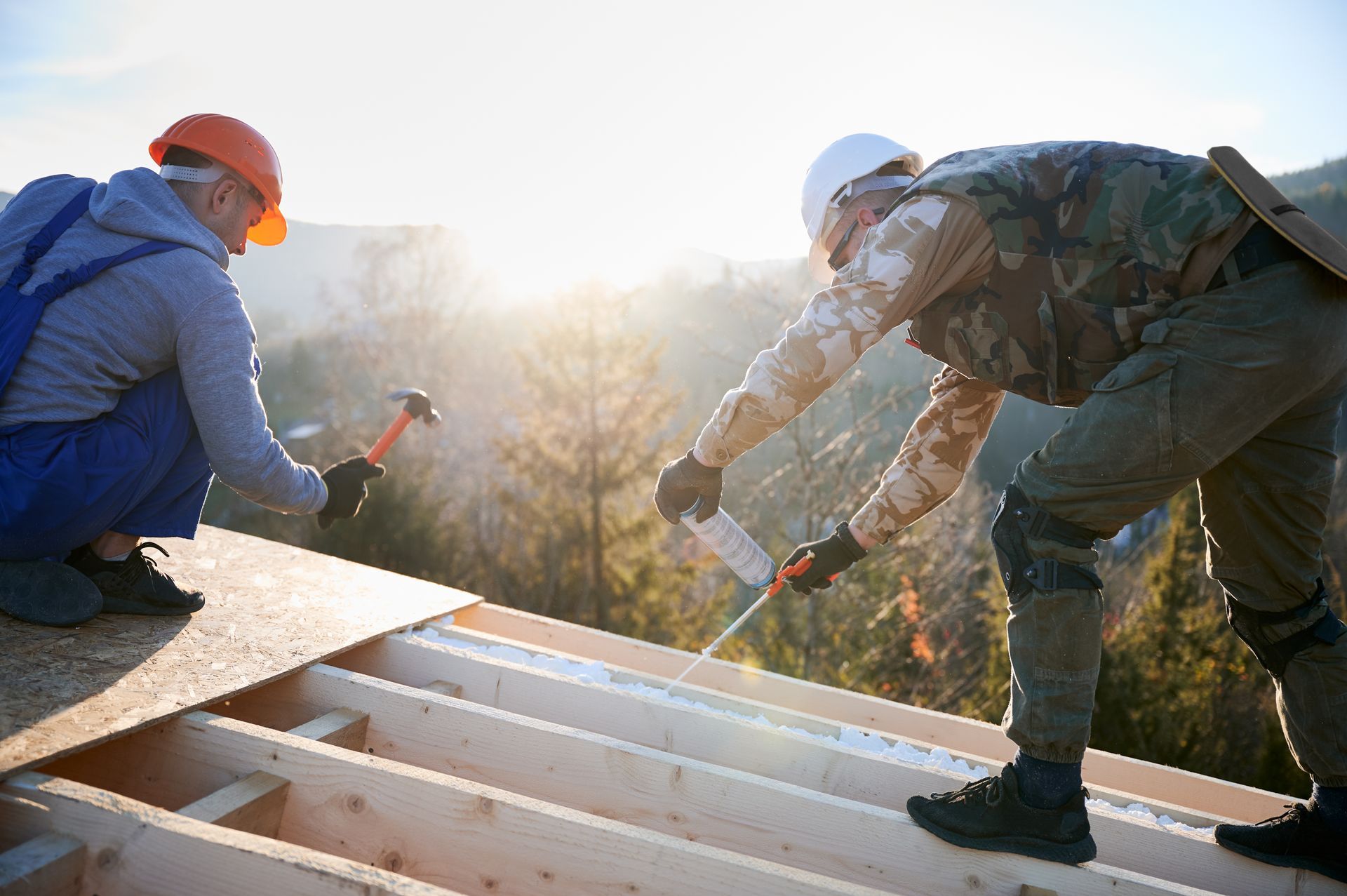
Foam roofing involves spraying liquid polyurethane onto the existing roof surface, where it expands into a rigid foam layer that adheres to the substrate and forms a continuous waterproof surface without joints or seams. A protective elastomeric coating is applied over the foam to shield it from UV degradation and physical damage, and this coating can be reapplied every 10 to 15 years to renew the roof without replacing the foam layer. The system weighs less than one pound per square foot, making it suitable for structures that can't support the load of built-up or modified bitumen roofs.
Request a site evaluation to determine if your existing roof structure is compatible with foam roofing and to review coating options.
Why Foam Roofing Performs Well in Desert Conditions
The installation process requires dry conditions and temperatures above 50 degrees, which Phoenix's climate provides reliably outside monsoon season. Spray foam conforms to irregular roof surfaces, fills in low spots where water pools, and creates positive drainage toward roof drains or scuppers. The foam's closed-cell structure provides an R-value of approximately 6.5 per inch of thickness, significantly reducing heat transfer through the roof and lowering cooling loads during summer months when attic and interior temperatures directly affect air conditioning costs.
After installation, your flat roof no longer develops standing water in depressions, and leaks stop occurring at the seams that plague membrane systems. The building's interior temperature becomes more stable, and cooling costs drop as the insulating foam prevents heat from radiating through the roof deck. You can walk on the roof for maintenance access without worrying about puncturing a membrane, since the foam and coating system resists impact damage better than single-ply roofing materials.
Foam roof restoration extends the life of existing foam systems by applying fresh coating over the weathered surface, which restores UV protection and waterproofing without the cost and disruption of complete roof replacement. The coating fills minor cracks and repairs areas where the foam has been damaged, returning the roof to like-new performance. Both residential and commercial applications benefit from foam's ability to accommodate HVAC equipment, skylights, and other roof penetrations without creating vulnerable transition points.
Answers to Frequent Foam Roofing Questions
Foam roofing is less familiar to many property owners than traditional materials, so understanding how it performs and what maintenance it requires matters when you're considering this system for your building.
What makes spray foam roofing seamless compared to other flat roof systems?
Foam is applied as a liquid that expands and hardens into a continuous surface with no seams, joints, or fastener penetrations—the weak points where membrane roofs typically fail. The material bonds directly to the existing roof substrate and conforms to irregular surfaces without requiring separate pieces to be overlapped and sealed.
How does foam roofing reduce cooling costs in Phoenix?
The foam layer adds significant insulation value to your roof, preventing heat from conducting through the roof deck into your building during the day and reducing radiant heat loss at night. Most property owners see a 20 to 30 percent reduction in cooling costs after foam installation, with the savings increasing as the foam thickness increases.
How long does the protective coating last before it needs renewal?
Elastomeric coatings applied over the foam typically last 10 to 15 years in Phoenix's intense UV environment before they require recoating to maintain waterproofing and UV protection. Recoating is significantly less expensive than replacing the entire foam system and restores full roof performance.
Can foam roofing be installed over existing flat roof materials?
Foam can be sprayed directly over most existing flat roofing systems including built-up roofing, modified bitumen, and single-ply membranes, as long as the existing deck is structurally sound and moisture content is within acceptable limits. This eliminates tear-off costs and the waste associated with removing old roofing materials.
What maintenance does foam roofing require?
Foam roofs need periodic inspections to identify areas where coating has worn thin or where physical damage has occurred, and these areas should be recoated promptly to prevent moisture from reaching the foam. Debris should be removed regularly to prevent it from abrading the coating, and drainage paths need to stay clear to avoid standing water.
Foam roofing provides a long-term solution for flat and low-slope roofs where traditional systems have repeatedly failed. Castillo Roofing LLC evaluates your existing roof condition and explains whether new foam installation or restoration of an existing foam roof makes sense for your property. Schedule a consultation to discuss foam roofing as an alternative to membrane systems for your Phoenix building.