
Repairs That Stop Leaks Before Damage Spreads
Roof Repair Services in Phoenix for active leaks during monsoon storms or missing tiles after high winds
A tile shifts out of place after a windstorm, leaving the underlayment exposed to UV damage and creating an entry point for water during the next rain. Castillo Roofing LLC repairs roofing systems across Phoenix by addressing leak sources, replacing damaged flashing around chimneys and skylights, and matching broken tiles to maintain your roof's protective coverage. Emergency service is available when storms cause immediate damage that threatens the interior of your home.
Roof repairs focus on identifying the actual source of water intrusion, which often appears several feet away from where stains show up on your ceiling due to water traveling along rafters or sheathing before dripping through. Flashing—the metal strips that seal joints around roof penetrations—frequently fails first because thermal expansion and contraction loosen fasteners and crack sealant. Regular maintenance repairs extend roof life by catching small issues like a few damaged shingles or a single cracked tile before they allow enough water in to rot the decking below.
Arrange an inspection to locate the source of visible leaks or assess damage after a storm event.
How Roof Repairs Address Specific Failure Points
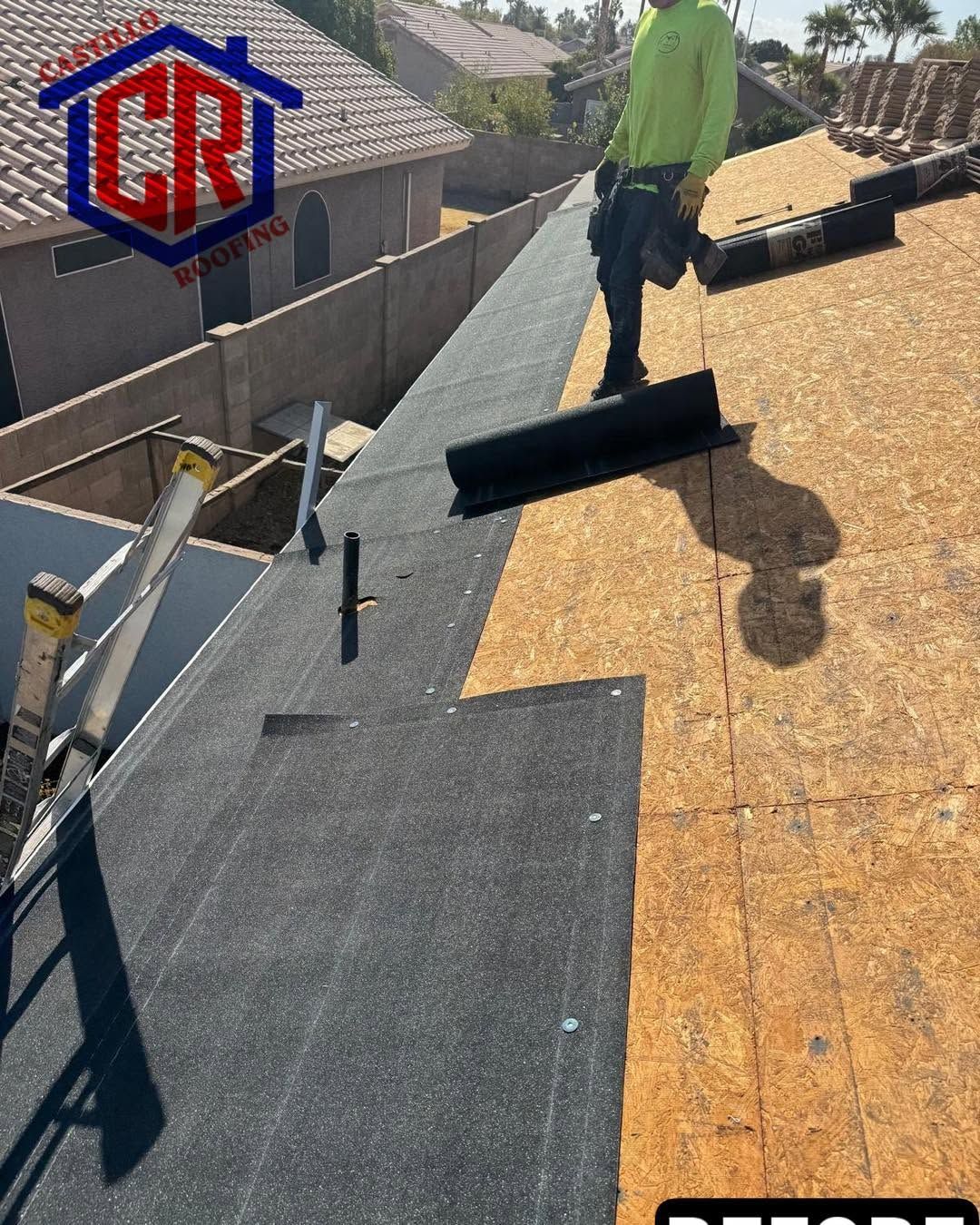
Leak detection involves tracing water stains backward to their entry point, which requires inspecting the roof surface, checking flashing integrity, and examining underlayment condition in areas where tiles or shingles have lifted. Once the source is identified, the repair removes damaged material, replaces any compromised underlayment or sheathing, and installs new roofing material that integrates with the existing system. Flashing replacement requires removing the adjacent roofing material, installing new metal flashing with proper overlap and fastening, then reinstalling the surrounding tiles or shingles to seal the repair.
You'll notice that ceiling stains stop expanding and the musty smell from trapped moisture dissipates as the affected areas dry out. Water no longer drips inside your home during rain, and the attic insulation remains dry instead of compressing under moisture weight. Exterior damage—such as gaps where tiles are missing or shingles have blown off—disappears as the repaired sections match the surrounding roof appearance.
Storm and wind damage repairs often involve replacing multiple tiles or shingles across a section of roof rather than patching individual pieces, since wind events typically affect an entire zone. Broken tiles get matched by color and profile to maintain visual consistency, though exact matches can be difficult for older tile styles no longer manufactured. The repair includes inspecting surrounding materials for hidden damage that hasn't yet caused visible leaks but will fail soon.
Common Questions About Roof Repair Work
Understanding what roof repairs involve and when they're needed instead of replacement helps you make informed decisions about your property. These questions address the practical concerns most Phoenix homeowners have.
How quickly can emergency roof service respond after storm damage?
Emergency response prioritizes stopping active water intrusion with temporary tarping or patching, typically within hours of your call during severe weather events. Permanent repairs are scheduled once conditions allow safe roof access and materials can be sourced to match your existing system.
What causes flashing to fail around chimneys and skylights?
Metal flashing expands and contracts with temperature changes—significant in Phoenix where roof surface temperatures swing from 50 degrees at night to over 150 during the day—which works fasteners loose and cracks the sealant that keeps water out. Flashing also corrodes over time from moisture exposure, and improper installation during original construction leads to early failure.
When does a roof need replacement instead of repair?
Replacement becomes necessary when more than 30 percent of the roof shows damage, when underlayment has deteriorated across large areas, or when the decking has sustained structural damage from prolonged leaks. Isolated damage confined to one section or a few components is repairable, while widespread failure across multiple zones indicates the entire system has reached the end of its functional life.
How are broken tiles matched to existing roof color?
Tile matching involves identifying the manufacturer and profile of your current tiles, then sourcing replacement pieces from available inventory or specialty suppliers who stock discontinued styles. Color fading from UV exposure means new tiles often appear darker than the surrounding weathered tiles initially, though they blend in as they age under the sun.
What's included in roof maintenance repairs?
Maintenance includes resealing flashing, replacing a few damaged shingles or tiles before they allow water penetration, clearing debris from valleys where water concentrates, and inspecting for early signs of failure like lifted edges or cracked sealant. Castillo Roofing LLC recommends maintenance inspections every two to three years in Phoenix to catch issues before they require major repairs.
Roof repairs prevent small problems from escalating into structural damage that requires costly replacement. Castillo Roofing LLC provides detailed assessments of repair needs and explains whether targeted fixes will extend your roof's life or if broader work is warranted. Contact the office to schedule a leak investigation or post-storm damage evaluation for your Phoenix property.